Serving Animals Is Serving God
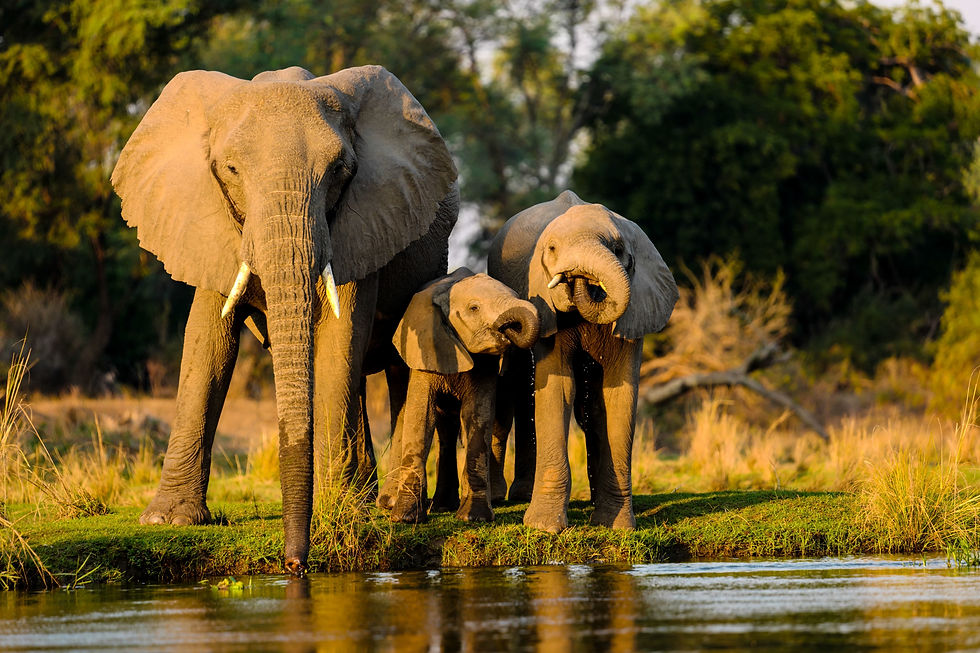
There is a quiet moment that many people have experienced, perhaps while placing a bowl of water outside on a hot summer afternoon, feeding a hungry street dog, or watching birds gather around scattered grains at dawn. In that moment, something stirs within the heart. It is a feeling of tenderness, of connection, and of doing something good without expecting anything in return. Across cultures and centuries, people have sensed that such simple acts of kindness towards animals are more than good deeds. They are a form of devotion, a way of honouring the divine presence that lives in every creature. The belief that serving animals is serving God is one of humanity's oldest and most beautiful ideas, and it remains as meaningful today as it was thousands of years ago.
At the heart of this belief lies a simple truth: animals, like humans, are living beings who feel hunger, fear, pain, and joy. They cannot speak our language or ask for help in words, yet they depend on our compassion more than ever. Many spiritual traditions teach that the same divine spark that breathes life into human beings also flows through every bird, cow, elephant, dog, and tiny insect. When we care for an animal, we are acknowledging that spark. We are recognising that life itself is sacred, and that kindness should not be limited to those who look, think, or speak like us.
In Indian culture, this understanding runs especially deep. Hindu traditions honour animals in countless ways, and many deities are closely associated with them. Lord Ganesha rides a humble mouse, Goddess Durga is carried by a mighty lion, Lord Vishnu rests upon the serpent Shesha, and Lord Shiva is accompanied by his faithful bull, Nandi. Lord Krishna, the beloved cowherd, spent his childhood tending cows in Vrindavan, and the cow is still revered as a symbol of motherhood and nourishment. These sacred connections remind devotees that animals are not separate from the divine but are woven into its very story. Feeding cows, offering grains to birds, and placing food out for ants are practices still followed in many homes as acts of daily worship.
The principle of ahimsa, or non-violence, lies at the core of several Indian philosophies. Jainism, in particular, places extraordinary importance on protecting all forms of life, no matter how small. Devoted Jains take great care to avoid harming even insects, and many communities run animal shelters and bird hospitals as an expression of their faith. Buddhism, too, teaches deep compassion for all sentient beings, encouraging followers to reduce suffering wherever it exists. In these traditions, kindness towards animals is not an optional virtue but an essential path towards spiritual growth and inner peace.
This reverence for animals is not limited to Indian faiths. In Islamic tradition, there is a well-known teaching about a man who found a thirsty dog near a well. He climbed down, filled his shoe with water, and gave the dog a drink, and for this simple act of mercy, his sins were forgiven. The story beautifully shows that compassion towards animals is deeply valued in the eyes of God. In Christianity, Saint Francis of Assisi is remembered for his love of animals, preaching to birds and calling all creatures his brothers and sisters. Today, many churches hold special blessings for animals in his honour. Sikhism encourages selfless service, known as seva, and this spirit of service naturally extends to all of God's creation. Across faiths, the message is remarkably similar: love for animals is love for the Creator.
Some of humanity's great thinkers have also reflected on this connection. A well-known idea, often attributed to Mahatma Gandhi, suggests that the greatness of a nation and its moral progress can be judged by the way its animals are treated. Whether we look at it through a spiritual or a moral lens, the meaning is clear. How we treat those who cannot defend themselves reveals the true depth of our humanity. Compassion towards animals is a mirror reflecting the kindness, or the lack of it, within our own hearts.
In today's world, animals face challenges that our ancestors could hardly have imagined. Forests are shrinking as cities expand, rivers are polluted, and countless species are struggling to survive. Many animals are injured in accidents, abandoned by owners, or harmed by illegal trade and exploitation. Elephants, big cats, birds, and countless smaller creatures often need urgent help to heal and survive. This is where the timeless idea of serving animals finds new and powerful expression. Dedicated people and organisations around the world are working tirelessly in animal rescue, bringing injured, neglected, and endangered creatures to safety and giving them a second chance at life.
Rescue is only the beginning of the journey. Many animals arrive with wounds, illnesses, or emotional trauma that require patient care and expert attention. Veterinarians, caretakers, and volunteers work day and night to treat injuries, provide proper nutrition, and create environments where animals can feel safe again. The process of animal rehabilitation is often slow and demanding, but witnessing a once-frightened creature regain its strength, trust, and natural behaviour is a deeply moving experience. For those who dedicate their lives to this work, every recovery feels like a small miracle and a quiet blessing.
Serving animals also means protecting the wider natural world they depend on. Every species plays a role in the delicate balance of nature. Bees pollinate crops, birds spread seeds, predators keep ecosystems healthy, and even the smallest creatures contribute to the cycle of life. When a species disappears, the entire web of life is weakened. This is why wildlife conservation is so important. Protecting habitats, supporting breeding programmes for endangered species, and raising awareness about the importance of biodiversity are all ways of honouring the sacred design of creation. In caring for the earth's creatures, we are caring for the home we all share.
The beauty of serving animals is that it does not require grand gestures or special skills. Everyone can contribute in their own way. Keeping a bowl of clean water outside during the summer can save the lives of birds and street animals. Feeding a hungry dog, helping an injured animal reach a veterinarian, or supporting a local shelter can make a real difference. Choosing to adopt rather than buy a pet gives a homeless animal a loving family. Avoiding products that involve cruelty, reducing plastic waste that harms wildlife, and teaching children to be gentle with animals are simple yet powerful steps. Each small act of kindness adds up, creating a more compassionate world.
Children, in particular, learn some of life's most important lessons through their relationships with animals. Caring for a pet teaches responsibility, patience, and empathy. Watching birds, visiting sanctuaries, or helping feed stray animals helps young minds understand that all life is precious. When children grow up respecting animals, they are more likely to grow into adults who respect people, nature, and the world around them. In this sense, teaching kindness to animals is also a way of shaping a kinder future for humanity.
There is also a profound emotional and spiritual reward in serving animals. Many people describe a deep sense of peace and fulfilment when they help a creature in need. Animals offer their love without conditions, judgement, or expectations. A rescued dog's wagging tail, a cat's gentle purr, or the trusting gaze of a recovered bird can bring a joy that words cannot fully describe. In giving care, we often receive far more in return. This is perhaps why so many spiritual teachers have encouraged compassion towards animals as a path to purifying the heart and drawing closer to the divine.
Serving animals also teaches humility. It reminds us that human beings are not the masters of creation but part of a vast and interconnected family of life. Every creature, from the mighty elephant to the tiny sparrow, has its own place and purpose. When we approach animals with respect rather than dominance, we begin to see the world differently. We become more mindful of our choices, more aware of our impact, and more grateful for the gift of life in all its forms.
As modern life grows busier and more disconnected from nature, the ancient wisdom of caring for animals offers a gentle reminder of what truly matters. Wealth, success, and achievement may bring comfort, but kindness brings meaning. A society that protects its animals is a society that values compassion, mercy, and justice. Each time we choose kindness over indifference, we take a step towards a more humane and spiritually rich world.
In the end, the idea that serving animals is serving God is not just a religious belief. It is a universal truth that speaks to the goodness within every human heart. Whether we offer food to a hungry stray, support those who rescue and heal wounded creatures, or simply live in a way that causes less harm, we are taking part in a sacred act of love. For those inspired to see how dedicated care, healing, and protection can transform the lives of animals, learning more about meaningful animal welfare initiatives is a wonderful way to begin walking this compassionate path.
Thank you for reading this blog on Serving Animals Is Serving God.