Hotels That Serve Luxury to Mankind: The Art of Extraordinary Hospitality
There is a particular feeling that comes over a traveller the moment they step into a truly great hotel. The noise of the outside world seems to fade, the air carries a gentle fragrance, and a warm greeting makes them feel as though they have been expected all along. It is more than comfort and more than convenience. It is the sense of being cared for in a way that feels both effortless and deeply personal. For centuries, humanity has sought places that offer rest, refuge, and a touch of something special, and today the world's finest hotels have elevated that ancient need into an art form. These are the hotels that serve luxury to mankind, not simply as a product to be purchased, but as an experience that nourishes the body, delights the senses, and lingers in memory long after the journey is over.
The story of hospitality is as old as travel itself. In ancient times, caravanserais along the great trade routes offered shelter to merchants and their animals, while inns in Greece and Rome welcomed weary travellers with food and a place to sleep. In many cultures, offering hospitality to a guest was considered a sacred duty. In India, the timeless philosophy of "Atithi Devo Bhava," meaning "the guest is equivalent to God," has shaped the way hosts have welcomed visitors for generations. Over the centuries, as palaces opened their doors and grand hotels rose in the world's great cities, this spirit of welcome evolved into something more refined. The arrival of iconic grand hotels in the nineteenth and early twentieth centuries introduced ideas that we now take for granted, such as private bathrooms, elegant dining rooms, and attentive service around the clock. These establishments became symbols of sophistication, where royalty, artists, and statesmen gathered, and where the very idea of modern luxury was born.
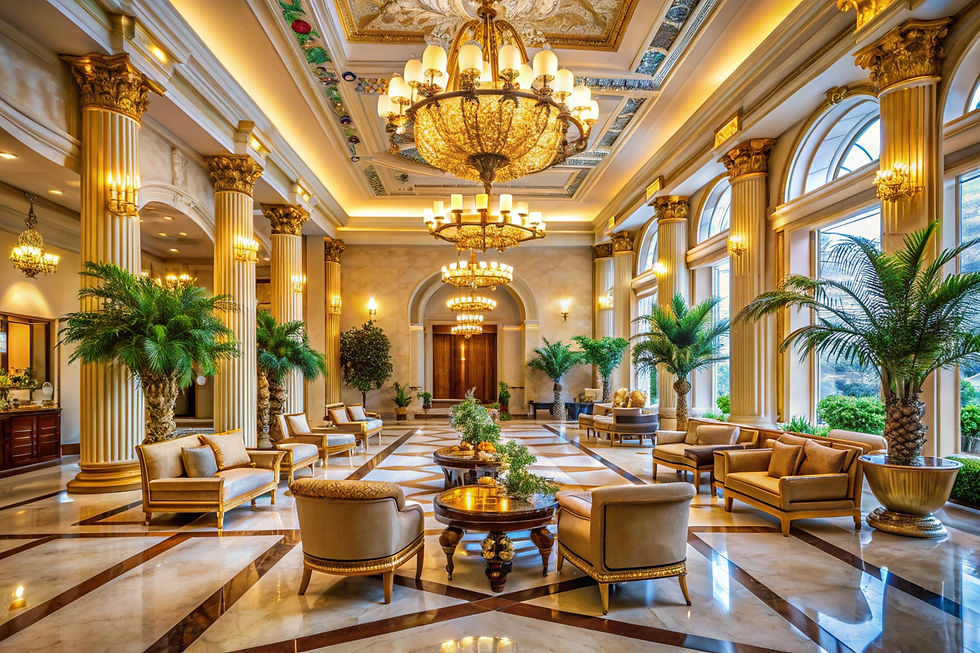
What exactly makes a hotel luxurious is a question with many answers, because luxury is as much a feeling as it is a set of features. Certainly, it includes beautiful architecture, sumptuous interiors, fine linens, and spacious rooms with breathtaking views. Yet the finest luxury hotels understand that true luxury lies in the details that guests may not consciously notice but would certainly miss if they were absent. It is the pillow menu that ensures a perfect night's sleep, the staff member who remembers a guest's preferred morning tea, the quiet way a room is refreshed while the guest is out, and the thoughtful touches that anticipate a need before it is ever spoken. Luxury, at its best, is the art of making the extraordinary feel natural.
At the heart of every great hotel are its people. Buildings can be magnificent and amenities can be impressive, but it is human warmth that transforms a stay into a cherished memory. The most celebrated hotels invest deeply in training their teams, not only in technical skills but in empathy, intuition, and genuine care. A skilled concierge can unlock the hidden treasures of a city, a thoughtful butler can make a family feel completely at home, and a smiling doorman can set the tone for an entire visit. Guests often forget the colour of the curtains or the brand of the toiletries, but they rarely forget how someone made them feel. This human touch is what allows luxury hotels to serve not just customers, but people, with all their individual stories, needs, and hopes.
Food has always been one of the most powerful expressions of hospitality, and luxury hotels have long been at the forefront of culinary excellence. Many of the world's most respected restaurants are found within hotel walls, where talented chefs celebrate both local traditions and global influences. A great hotel restaurant offers more than a meal. It offers a journey through flavours, aromas, and stories, often drawing on recipes passed down through generations or reimagined with modern creativity. From slow-cooked regional delicacies to elegantly plated tasting menus, fine dining in a luxury hotel invites guests to experience a destination through its cuisine. Even a simple breakfast, served with fresh produce, warm bread, and impeccable service, can become one of the highlights of a trip.
Luxury hotels also serve as custodians of culture and heritage. Many of the most enchanting properties around the world are housed in restored palaces, historic mansions, and architectural landmarks that might otherwise have been lost to time. By preserving these spaces and opening them to travellers, hotels help keep history alive. Others draw inspiration from local art, crafts, textiles, and design traditions, filling their interiors with works by regional artisans and celebrating the identity of the place they call home. In this way, a stay at a thoughtfully designed hotel becomes a window into the soul of a destination, allowing guests to connect with its past while enjoying the comforts of the present.
Wellness has become another essential dimension of modern luxury. As people around the world lead increasingly busy and stressful lives, many travellers now look for hotels that help them restore balance and wellbeing. Luxury spas offer treatments inspired by ancient healing traditions such as Ayurveda, alongside modern therapies designed to relax the body and calm the mind. Yoga sessions at sunrise, meditation spaces, nutritious menus, fitness centres, and tranquil gardens all contribute to an environment where guests can truly unwind. For many, the ultimate luxury is no longer simply indulgence, but the chance to slow down, breathe deeply, and return home feeling renewed.
In recent years, one of the most meaningful shifts in the hospitality industry has been the growing focus on sustainability. Travellers are increasingly aware of the impact their journeys have on the planet, and many now seek hotels that share their values. The idea of responsible luxury reflects this change, showing that elegance and environmental care can go hand in hand. Forward-thinking hotels are adopting renewable energy, reducing water usage, eliminating single-use plastics, sourcing ingredients locally, and pursuing recognised green building certifications. Many also support the communities around them by employing local people, working with local suppliers, and contributing to social initiatives. This approach recognises that serving mankind means caring not only for guests, but also for the wider world they live in.
Technology has also reshaped the luxury hotel experience in quiet but significant ways. Guests can now check in seamlessly, control lighting and temperature with a touch, stream their favourite entertainment, and communicate with hotel staff through their phones. Yet the finest hotels use technology to enhance human connection rather than replace it. The goal is to remove small frustrations so that staff can focus on what matters most: meaningful, personal service. In the world of luxury, technology works best when it is almost invisible, supporting the experience without ever taking centre stage.
Luxury hotels also play an important role in bringing people together. They host weddings that mark the beginning of new families, celebrations that honour life's milestones, business conferences where ideas are shared, and gatherings where friendships are formed. Grand ballrooms, elegant terraces, and intimate private dining spaces provide settings for some of the most important moments in people's lives. In many cities, the iconic hotel becomes a landmark in its own right, a place woven into local memories where generations have celebrated, met, and connected.
The economic and social contribution of great hotels is often underestimated. Every luxury property supports a wide network of people, from chefs, housekeepers, and engineers to farmers, artisans, florists, and transport providers. Hotels attract visitors who explore local markets, attractions, and businesses, helping communities prosper. In many regions, the hospitality industry is a major source of employment and skill development, offering young people careers that can take them around the world. In this sense, hotels that serve luxury also serve society, creating opportunities and supporting livelihoods far beyond their own walls.
Of course, luxury today means something different to every traveller. For some, it is a lavish suite overlooking a glittering skyline. For others, it is a quiet villa surrounded by nature, a heritage room filled with stories, or simply the freedom to be completely looked after for a few precious days. The world's finest hotels understand this diversity and strive to personalise each stay, recognising that the most meaningful luxury is the one that feels made for you. Whether a guest is travelling for business, celebrating a honeymoon, enjoying a family holiday, or seeking solitude, great hotels adapt their service to fit the moment.
As the world continues to change, the essence of luxury hospitality remains timeless. It is about creating spaces where people feel welcome, respected, and cared for. It is about honouring traditions while embracing innovation, celebrating local culture while welcoming the world, and offering comfort while caring for the planet. The hotels that achieve this balance do more than provide a place to stay. They create experiences that enrich lives and remind us of the simple joy of being looked after.
In the end, the true measure of a great hotel is not found in the number of stars beside its name or the price of its finest suite. It is found in the smiles of its guests, the memories they carry home, and the desire they feel to return. For travellers who want to discover hospitality that blends grace, warmth, and purpose, exploring world-class hospitality is the perfect way to experience what it truly means when hotels serve luxury to mankind.
Thank you for reading this blog on Hotels That Serve Luxury to Mankind: The Art of Extraordinary Hospitality.