The Timeless Allure of Oud
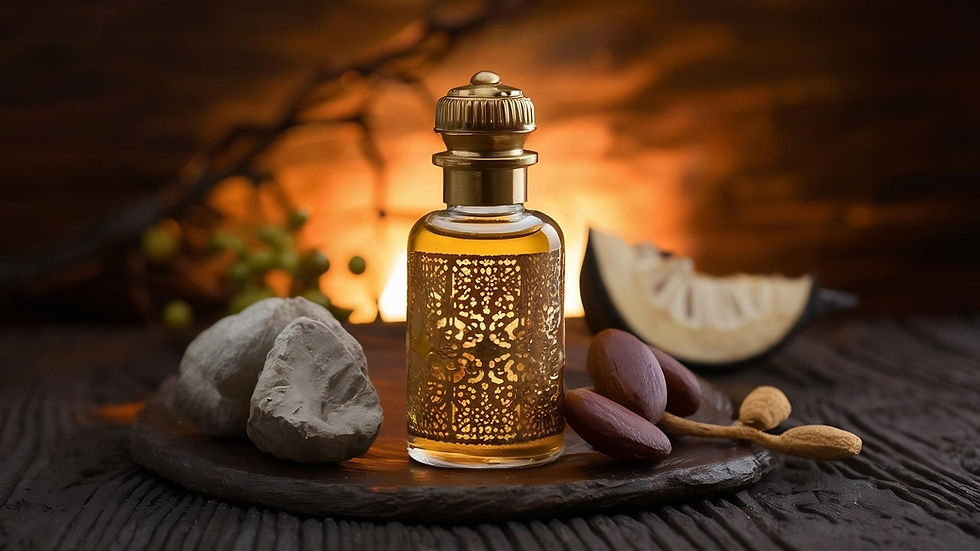
Fragrance has a quiet magic all its own. A single breath of a familiar scent can carry us back to a childhood home, a festive celebration, or a cherished moment with someone we love. Perfume speaks without words, announcing our presence before we enter a room and lingering gently after we leave. Among all the fragrances in the world, few hold as much mystery, history, and devotion as those born from the ancient traditions of Arabian perfumery. At the heart of this world lies oud, a rare and precious ingredient often called "liquid gold," alongside the rich, concentrated perfume oils known as attars. Together, they have shaped a fragrance culture that has enchanted people for centuries.
The story of perfume is as old as civilisation itself. Ancient Egyptians burned incense in temples and used scented oils in religious rituals and daily life. In Mesopotamia, some of the earliest recorded perfume makers distilled flowers and resins to create fragrant oils. Yet it was in the Arab world that perfumery truly flourished as an art and a science. Arab scholars refined the process of distillation, making it possible to extract delicate essential oils from flowers such as roses. Trade routes carried frankincense, myrrh, spices, and precious woods across deserts and seas, turning the region into a crossroads of fragrance. Perfume became woven into hospitality, faith, celebration, and identity, a tradition that continues proudly to this day.
Oud, also known as agarwood, is one of the most extraordinary ingredients in the world of fragrance. It comes from the heartwood of Aquilaria trees, which grow in parts of South and Southeast Asia, including the forests of Northeast India. Remarkably, healthy Aquilaria wood has little scent. The magic happens when the tree is wounded or infected by a particular type of mould. In response, it produces a dark, fragrant resin to protect itself. Over many years, this resin saturates the wood, transforming it into the precious material known as oud. Because this natural process is slow and unpredictable, high-quality oud is incredibly rare, making it one of the most valuable natural materials on earth.
The scent of oud is unlike anything else. It is deep, rich, and complex, often described as woody, smoky, earthy, sweet, and slightly animalic all at once. Some ouds carry hints of leather, honey, or spice, while others feel soft, creamy, and almost meditative. Its character can change as it rests on the skin, revealing new layers over hours. This complexity is what makes oud so captivating. It is a fragrance that invites you to slow down and notice it, rather than one that simply passes by. Today, oud fragrances are cherished not only in the Middle East but across the globe, inspiring perfumers and captivating fragrance lovers everywhere.
Attar is another treasure of traditional perfumery. Unlike most modern perfumes, which are made with alcohol, attars are concentrated perfume oils traditionally prepared by distilling flowers, herbs, spices, or woods into a base oil, often sandalwood. The word attar comes from the Persian and Arabic words for fragrance or scent. India has a particularly rich attar heritage, with the town of Kannauj in Uttar Pradesh famous for centuries for its skilled attar makers, who still use traditional copper stills and slow distillation methods. Rose, jasmine, vetiver, kewra, and even the earthy scent of rain-soaked soil, known as mitti attar, are among the many beloved creations of this ancient craft.
Because attars are free of alcohol and highly concentrated, just a tiny drop can last for many hours. They sit close to the skin, creating a soft, intimate aura rather than an overpowering cloud. Many people appreciate attars for their purity and long-lasting nature, and for the way they blend beautifully with the wearer's natural skin chemistry, making the fragrance feel deeply personal. In many cultures, wearing attar is also associated with prayer, special occasions, and gatherings, adding a spiritual and ceremonial dimension to the simple act of applying fragrance.
Bakhoor is another cherished part of Arabian fragrance traditions. These are scented wood chips or blocks soaked in fragrant oils and blended with resins, spices, and other aromatic ingredients. When placed on a burner, bakhoor releases fragrant smoke that perfumes homes, clothes, and hair. In many Middle Eastern households, burning bakhoor is a way of welcoming guests, celebrating festivals, and creating a warm and inviting atmosphere. The practice reflects a beautiful idea: fragrance is not only something we wear, but something we share with others.
Arabian perfumery is known for its bold, opulent compositions. Unlike some light, fresh Western fragrances, Arabian perfumes often feature rich notes such as oud, amber, musk, rose, saffron, sandalwood, and incense. These ingredients create warm, luxurious scents with remarkable depth and longevity. Rose is especially beloved, with Taif roses from Saudi Arabia and Damask roses prized for their intense, honeyed aroma. Saffron adds a golden, slightly leathery warmth, while musk brings softness and sensuality. Combined skilfully, these notes create perfumes that feel both ancient and timeless.
Over time, the art of Arabian perfumery has beautifully blended with modern fragrance creation. Many perfume houses now combine traditional ingredients like oud and attar with contemporary notes such as citrus, fruits, florals, and fresh accords. The result is a wide range of perfumes that honour heritage while appealing to modern tastes. Today, people can enjoy everything from classic, deeply traditional ouds to lighter, everyday fragrances inspired by Eastern traditions. This fusion has helped luxury perfumes inspired by Arabian heritage win admirers far beyond their region of origin.
India's relationship with fragrance runs equally deep. From the sandalwood of Mysore and the jasmine of the south to the attars of Kannauj and the incense used in temples and homes, fragrance is woven into everyday life and sacred rituals. Festivals, weddings, and religious celebrations are often filled with the scents of flowers, incense, and perfume oils. This shared love for fragrance has created a natural bond between Indian and Arabian perfume traditions, and many fragrance houses have grown by bringing these two rich cultures together.
Choosing the right fragrance is a deeply personal journey. Perfumes are usually built in layers known as top, heart, and base notes. Top notes are the first impression, often fresh and bright, fading within minutes. Heart notes form the character of the fragrance, while base notes such as oud, musk, amber, and woods provide depth and longevity. When trying a new perfume, it is wise to apply it to the skin and wait a while before deciding, as the scent evolves over time. Personal preferences, the season, the occasion, and even one's mood can all influence which fragrance feels right.
Fragrance lovers often enjoy the art of layering, a tradition especially popular in Arabian perfumery. This involves combining different scents, such as an attar with a perfume, or a musk with an oud, to create a signature fragrance that is completely unique. Many people begin with a base oil, add a complementary perfume, and finish with bakhoor smoke on their clothes. Layering allows endless creativity and helps each person develop a scent that reflects their personality.
A few simple tips can help perfumes last longer. Applying fragrance to pulse points such as the wrists, neck, and behind the ears helps the warmth of the skin release the scent gradually. Moisturised skin holds fragrance better than dry skin, and spraying perfume on clothing can extend its life, though delicate fabrics should be tested first. Storing perfumes away from heat, sunlight, and humidity helps preserve their quality for longer. Rubbing the wrists together after applying perfume is best avoided, as it can alter the way the fragrance develops.
Perfume also makes one of the most thoughtful and elegant gifts. A beautiful bottle of fragrance or a carefully chosen attar can express affection, respect, and celebration. In many cultures, gifting perfume during festivals such as Eid and Diwali, at weddings, or on special anniversaries is a cherished tradition. Gift sets that combine perfumes, attars, and bakhoor offer a complete sensory experience, making them especially popular during the festive season.
Sustainability has become an important topic in the world of fragrance, particularly for rare natural materials like oud. Because wild agarwood trees have been heavily harvested over the years, many species are now protected, and sustainable plantations have been developed to cultivate oud responsibly. Supporting brands and practices that respect these efforts helps ensure that this precious ingredient can continue to be enjoyed by future generations while protecting the forests where it grows.
In the end, fragrance is far more than a pleasant smell. It is memory, emotion, culture, and identity, all captured in a few precious drops. The world of oud and attar carries centuries of tradition, craftsmanship, and devotion, offering scents that feel deeply rooted yet endlessly captivating. Whether you are discovering your first oud, rediscovering the softness of a traditional attar, or searching for a signature scent that feels truly yours, the journey is a beautiful one. And for anyone ready to explore fragrances that blend heritage with elegance, discovering a trusted perfume house with a rich legacy may be the first step towards finding a scent you will treasure for years.
Thank you for reading this blog on The Timeless Allure of Oud.