The Sweet Charm of Donuts
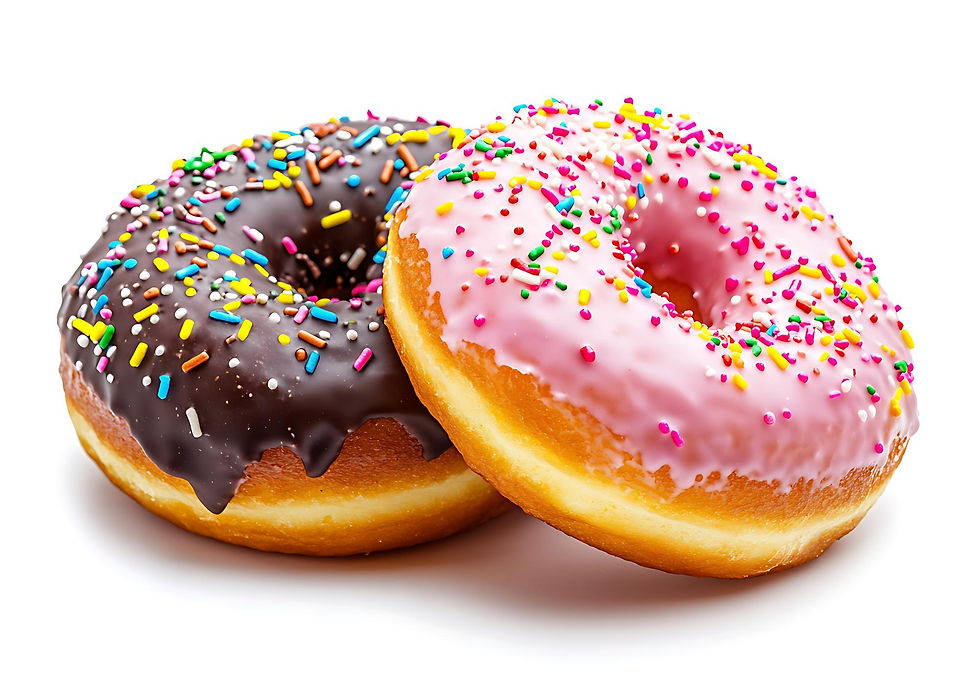
There are few simple pleasures as comforting as biting into a fresh donut. The soft, pillowy dough, the gentle crunch of glaze, the burst of jam or cream, and the light dusting of sugar that inevitably ends up on your fingers all come together in a moment of pure joy. Donuts are humble, affordable, and universally loved, yet they carry a surprising amount of history, tradition, and heart. For generations, the neighbourhood donut shop has been far more than a place to grab a sweet treat. It has been a gathering spot, a morning ritual, and a small but cherished part of community life.
The story of the donut stretches back centuries. Many cultures have long enjoyed fried dough in some form, from the sweet zeppole of Italy to the syrup-soaked treats of the Middle East and South Asia. The donut as many people know it today is often traced to Dutch settlers who brought a fried dough treat called olykoek, meaning "oily cake," to New Amsterdam, the settlement that would later become New York City. These early versions were simple balls of dough fried in fat, sometimes filled with fruits or nuts. A popular legend credits a nineteenth-century American sea captain, Hanson Gregory, with creating the famous ring shape by punching a hole in the centre so the dough would cook more evenly. Whether the story is entirely true or not, the ring-shaped donut became an enduring icon.
Donuts gained a special place in American hearts during the First World War, when volunteers from the Salvation Army fried donuts for soldiers serving in France. These women, affectionately known as "Doughnut Lassies," brought comfort and a taste of home to troops far from their families. Their kindness is still remembered today through National Donut Day, celebrated on the first Friday of June. In the decades that followed, donut shops spread across cities and small towns, becoming beloved fixtures in neighbourhoods everywhere.
What makes a great donut is a combination of quality ingredients, careful technique, and a little bit of magic. There are two main styles that most donut lovers know and adore. Yeast-raised donuts are light, airy, and slightly chewy, made from dough that is allowed to rise before frying, giving them their soft, fluffy texture. Classic glazed donuts and jelly-filled donuts usually belong to this family. Cake donuts, on the other hand, are made with a batter leavened by baking powder or baking soda, resulting in a denser, more tender crumb. Old-fashioned donuts, with their craggy edges and crisp exterior, are a beloved type of cake donut that pairs perfectly with a cup of coffee.
The variety of flavours and toppings is part of what makes donuts so delightful. A simple sugar glaze creates a shiny, crackly coating, while chocolate frosting adds richness. Cinnamon sugar brings warmth, powdered sugar gives a soft, snowy finish, and colourful sprinkles add a playful touch that children love. Filled donuts offer their own surprises, with raspberry jelly, vanilla custard, lemon curd, or sweet cream hidden inside. Crullers, with their twisted, ridged shape and eggy texture, offer a lighter bite, while apple fritters, packed with fruit and cinnamon, are a hearty favourite. Each bakery often has its own signature creations, and loyal customers frequently have a favourite they order every single time.
There is a special difference between a mass-produced donut and one made fresh in a local bakery. Fresh donuts made by hand in small batches have a softness, flavour, and warmth that is hard to match. Many traditional shops begin their work in the early hours of the morning, mixing dough, letting it rise, frying batch after batch, and glazing each donut by hand so that customers can enjoy them at their very best. That early-morning dedication is part of what makes a classic donut shop so special. When you bite into a donut that was made just hours, or even minutes, earlier, you can taste the care that went into it.
The classic neighbourhood donut shop holds a unique place in community life. Many of these shops have served the same neighbourhoods for decades, becoming living pieces of local history. Their counters, stools, display cases, and hand-lettered signs often look much as they did years ago, giving customers a comforting sense of continuity in a fast-changing world. Regulars greet the staff by name, parents bring their children for weekend treats, and neighbours run into each other while waiting in line. These shops are places where conversations happen, friendships form, and traditions are passed from one generation to the next.
In a city like New York, where life moves quickly and neighbourhoods are constantly evolving, old-school bakeries carry special meaning. Many were founded by immigrant families who brought recipes and work ethic from their homelands, building businesses that became anchors of their communities. Over the years, these shops have served workers on their way to early shifts, students heading to school, families after church, and late-night wanderers looking for something sweet. A long-standing Brooklyn bakery is often as much a part of the neighbourhood's identity as its streets, parks, and landmarks.
Donuts and coffee have long been a perfect pair. The sweetness of a glazed donut balances the bitterness of a hot cup of coffee, creating a combination that has fuelled countless mornings. For many people, stopping by a local shop for a donut and coffee is a cherished daily or weekly ritual. It is a small moment of comfort before a busy day, a chance to slow down, chat with the person behind the counter, and enjoy a simple pleasure. Some shops also serve egg creams, milkshakes, hot chocolate, and sandwiches, making them welcoming spots for breakfast, lunch, or an afternoon break.
Donuts also bring people together on special occasions. A box of donuts brought to the office can brighten a Monday morning and spark friendly conversations. Families pick up a dozen for birthday mornings, weekend breakfasts, and holiday gatherings. Donuts appear at school events, team meetings, community fundraisers, and celebrations of every kind. There is something about opening a box filled with colourful, freshly made donuts that instantly makes people smile. They are easy to share, loved by people of all ages, and perfect for creating a festive atmosphere without any fuss.
In recent years, gourmet donut shops have introduced bold new flavours such as matcha, salted caramel, maple bacon, crème brûlée, and seasonal fruit creations. These modern inventions have brought fresh excitement to the donut world, attracting food lovers eager to try something new. Yet despite all the trends, many people still feel a deep fondness for the classics. A perfectly glazed ring, a jelly-filled pillow dusted with sugar, or a simple chocolate-frosted donut often brings the most satisfaction. Traditional shops that have stayed true to their original recipes for decades remind us that sometimes the best things never need to change.
Part of the appeal of classic donuts is nostalgia. For many adults, the taste of a particular donut brings back memories of childhood mornings, trips with grandparents, or after-school treats with friends. Returning to a beloved bakery years later and finding the same flavours waiting is like revisiting a happy chapter of life. Food has a remarkable ability to connect us with our past, and donuts, with their simple sweetness, are especially good at it.
Enjoying donuts can also be part of a balanced approach to life. They are an indulgence meant to be savoured, not rushed. Sharing a donut with a friend, choosing a favourite flavour as a weekend treat, or enjoying one alongside a good conversation makes the experience even sweeter. The joy of a donut lies not only in its taste but in the moments it creates.
Small, independent bakeries also play an important role in local economies. They create jobs, support suppliers, and keep neighbourhood streets lively and welcoming. Choosing to buy from a local donut shop rather than a large chain helps preserve these cherished businesses and the traditions they carry. Every purchase supports the bakers who wake up before dawn and the families who have dedicated their lives to keeping these shops running.
In the end, a donut is far more than fried dough and sugar. It is a symbol of comfort, community, and tradition. It carries stories of immigrant families, wartime kindness, early-morning craftsmanship, and countless shared moments around a counter or a kitchen table. Whether you prefer a classic glazed ring, a fluffy jelly donut, or a crisp old-fashioned, there is always a little happiness waiting inside a fresh donut. And for anyone who wants to taste that timeless joy, visiting a beloved old-school bakery where donuts are still made by hand might just be the sweetest part of your day.
Thank you for reading this blog on The Sweet Charm of Donuts.