The Art of Perfect Jeans
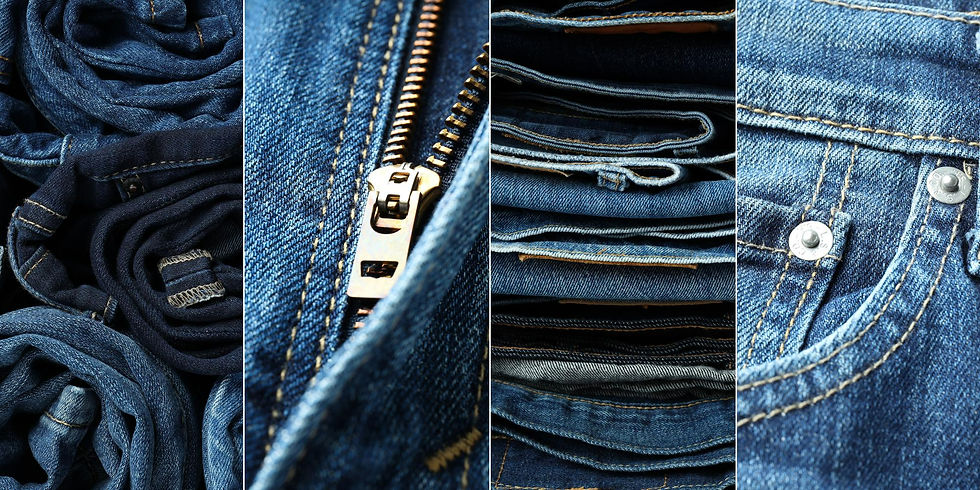
Almost everyone has experienced the frustration of shopping for jeans. You try on pair after pair, only to find that one is too tight at the waist, another too loose at the hips, and a third far too long in the leg. Then, every once in a while, it happens. You slip into a pair that fits as if it were made just for you. It hugs in the right places, moves comfortably with your body, and makes you feel instantly confident. That pair quickly becomes the one you reach for again and again. Finding the perfect pair of jeans can feel like a small miracle, but with a little knowledge about fit, fabric, and style, it can become far easier than you might think.
Jeans have a fascinating history that stretches back more than a century. The sturdy cotton fabric known as denim is believed to take its name from "serge de Nîmes," a fabric associated with the French city of Nîmes, while the word "jeans" is often linked to Genoa in Italy, where sailors wore durable cotton trousers. The modern blue jean, however, was born in the American West. In 1873, Levi Strauss and tailor Jacob Davis received a patent for work pants reinforced with metal rivets at the points where they tended to tear. These tough, practical trousers were made for miners, cowboys, farmers, and labourers who needed clothing that could withstand hard work.
Over the decades, jeans transformed from workwear into a symbol of youth, freedom, and individuality. In the mid-twentieth century, film stars and musicians wore them as a statement of rebellion and cool. Later, they became a staple of everyday fashion across every age group and culture. Today, jeans are worn everywhere, from offices and classrooms to concerts, travels, and casual weekends. Few garments have managed to remain so popular for so long, and few are as versatile.
The single most important factor in finding great jeans is fit. Even the most expensive or stylish pair will never feel right if it doesn't suit your body. Understanding a few key measurements can make shopping much easier. The waist measurement determines how the jeans sit around your middle, while the inseam measures the length from the crotch to the hem, affecting how the jeans fall over your shoes. The rise refers to the distance from the crotch to the top of the waistband, determining whether the jeans sit low on the hips, at the natural waist, or somewhere in between. The hip and thigh measurements influence how comfortable the jeans feel when you sit, walk, or bend. Knowing your measurements is the first step towards finding perfect jeans that truly feel made for you.
One of the biggest challenges people face is that many brands offer only a limited range of sizes. Bodies come in countless shapes and proportions, yet jeans are often made in a handful of standard sizes that assume everyone shares the same ratios between waist, hips, and leg length. As a result, many people end up compromising, choosing jeans that fit at the waist but are too long, or ones that fit the leg but gap at the back. Brands that offer a wider and more precise range of sizes, including different waist and length combinations, make it far more likely that shoppers can find a pair that fits perfectly without needing alterations.
Different jean styles also suit different preferences and body types. Skinny jeans hug the legs closely from hip to ankle, creating a sleek, streamlined look. Slim-fit jeans are a little more relaxed while still offering a tailored appearance. Straight-leg jeans fall in a clean line from the hip to the hem, offering a timeless style that suits almost everyone. Relaxed and loose fits provide more room through the hips and thighs, making them comfortable for everyday wear. Bootcut jeans flare slightly at the bottom to fit neatly over boots, while wide-leg styles create a bold, fashionable silhouette. Trying a few different cuts can help you discover which one makes you feel most comfortable and confident.
Fabric plays an equally important role in how jeans look and feel. Traditional denim is made from one hundred percent cotton, offering durability and a structured feel that softens over time. Many modern jeans include a small percentage of stretch fibres, such as elastane, which allows the fabric to move with your body and adds comfort, especially for slimmer fits. The weight of the denim matters, too. Lightweight denim feels breathable and comfortable in warmer weather, while heavier denim feels sturdy and long-lasting. Some denim enthusiasts love raw or unwashed denim, which starts out stiff and dark but gradually moulds to the wearer's body, developing unique fading patterns over time.
Colour and wash add personality to any pair of jeans. Dark indigo washes look polished and versatile, making them ideal for smart-casual outfits and even some office settings. Medium blue washes offer a classic, relaxed look, while light washes feel fresh, casual, and perfect for warmer seasons. Black and grey jeans provide a sleek, modern alternative that pairs easily with almost anything. Distressed jeans, with rips and faded details, bring a more casual, laid-back style. Having a few different washes in your wardrobe allows you to create a variety of looks for different occasions.
One of the greatest strengths of jeans is their versatility. A single great pair can be dressed up or down in countless ways. Paired with a crisp shirt, blazer, and leather shoes, jeans can look sharp and professional. With a simple T-shirt and sneakers, they become the perfect everyday outfit. A cosy sweater and boots make them ideal for colder months, while a light top and sandals keep them easy and relaxed in summer. Because they work with so many styles, a well-fitting pair of jeans often becomes the foundation of a reliable wardrobe.
Shopping for jeans has also changed significantly in recent years. Many people now prefer to buy jeans online, enjoying the convenience of browsing a wide selection from home. To shop online successfully, it helps to know your exact measurements, read size guides carefully, and check the details of each style, such as rise, leg opening, and fabric composition. Customer reviews can offer useful insight into how a particular pair fits. Choosing brands with clear sizing information and fair exchange policies makes the process far easier and less stressful.
Comfort is one of the most underrated qualities of a great pair of jeans. Jeans that fit well should allow you to sit, walk, bend, and move freely throughout the day without pinching or sagging. The waistband should sit comfortably without digging in, and the fabric should feel supportive rather than restrictive. When jeans are comfortable, you are far more likely to wear them often, making them a much better investment than a pair that looks good on the hanger but stays in the closet.
Caring for your jeans properly helps them last longer and keep their shape and colour. Many denim experts recommend washing jeans less often than other clothing, as frequent washing can fade the colour and weaken the fibres. When you do wash them, turning them inside out and using cold water helps preserve the dye. Mild detergent is gentler on the fabric, and air drying, rather than using a hot dryer, helps prevent shrinking and protects stretch fibres. Spot cleaning small stains and airing jeans out between wears can keep them fresh without constant washing.
Investing in quality jeans is also a more sustainable choice. Producing denim requires significant amounts of water, energy, and resources. Buying fewer but better-fitting jeans that you truly love and wear for years helps reduce waste and makes your wardrobe more sustainable. A pair that fits perfectly is far less likely to be discarded, and well-made denim often looks better with age, telling the story of the life you have lived in it.
There is something deeply personal about a favourite pair of jeans. Over time, they soften, fade, and shape themselves to your body, becoming a companion for everyday moments and special memories alike. They are there for road trips, long walks, casual dinners, and countless ordinary days. Perhaps that is why people often feel so attached to their favourite pair and search so carefully for a replacement when it finally wears out.
In the end, the perfect pair of jeans is about much more than fashion. It is about comfort, confidence, and the joy of wearing something that feels truly yours. By understanding your measurements, exploring different fits and fabrics, and choosing brands that offer thoughtful sizing, you can turn the frustrating search for jeans into an enjoyable experience. And for anyone who has ever wished for jeans that fit just right, discovering a brand dedicated to helping people find their ideal denim fit could be the beginning of a long and happy relationship with your new favourite pair.
Thank you for reading this blog on The Art of Perfect Jeans.